Protek Insights
Tinting Tips & Industry News
Stay up to date with the latest window tinting trends, legal updates, and maintenance tips from the experts at Protek Films.

Industry News
May 15, 2026
Protek Team
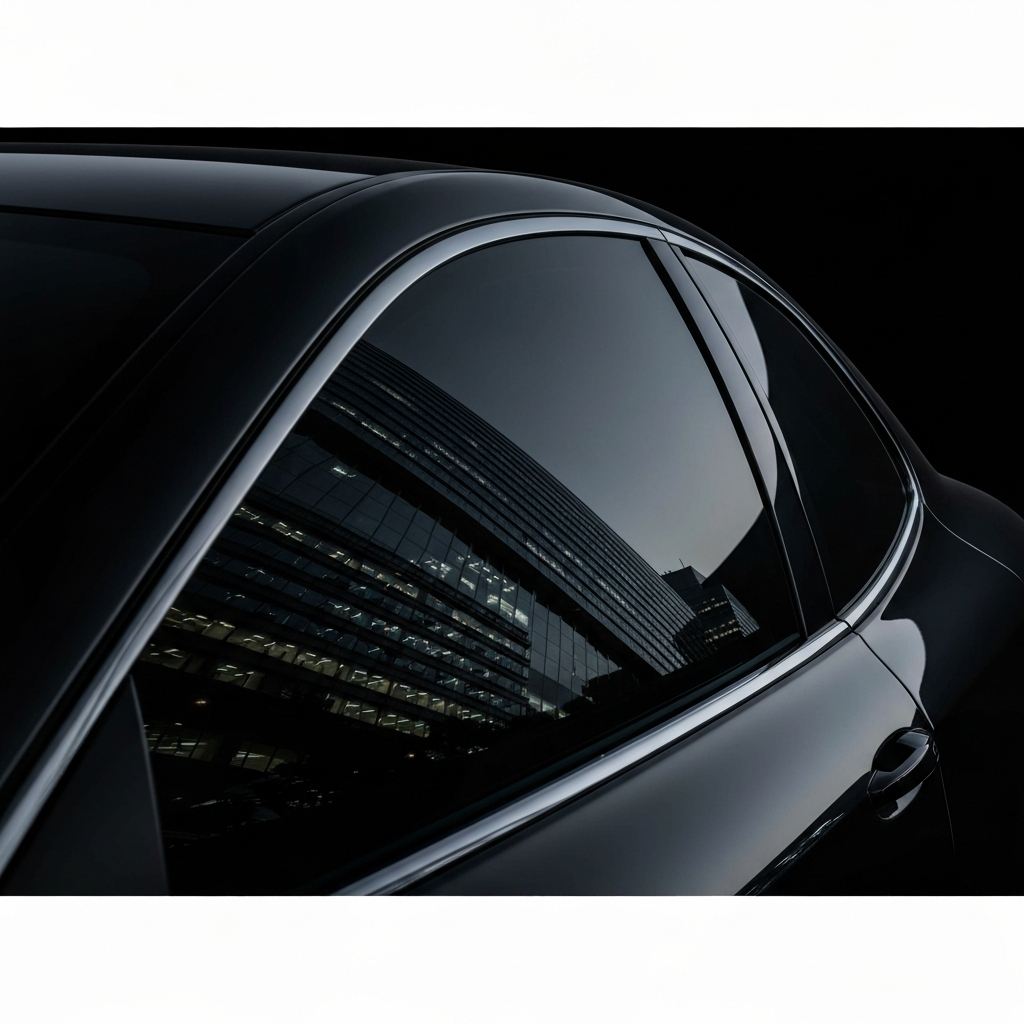
Why Nano-Ceramic is Higher Spec than Standard Ceramic
Understand the technological leap from standard ceramic to nano-ceramic window films and why it matters for heat rejection.
Read Full Article
Tinting Tips
May 10, 2026
Protek Team
What is Nano-Ceramic Tint?
Dive into the science behind nano-ceramic window tint and discover how it provides ultimate UV and heat protection.
Read Full Article

Tinting Tips
May 1, 2026
Protek Team
Top 5 Benefits of Ceramic Window Tint
Discover why ceramic window tint is the ultimate choice for heat rejection, UV protection, and driving comfort.
Read Full Article

Industry News
April 15, 2026
Protek Legal Team
New Legal Tint Limits for 2026: What You Need to Know
Stay compliant with the latest updates to window tinting regulations and avoid costly fines.
Read Full Article

Tinting Tips
March 28, 2026
Protek Team
How to Maintain Your Window Tint in Summer
Expert tips on cleaning and caring for your newly tinted windows to ensure they last a lifetime.
Read Full Article